
Decarbonizing the waste sector, which is responsible for 26% of Europe's methane emissions, is a key challenge for Europe in achieving its greenhouse gas emission targets.
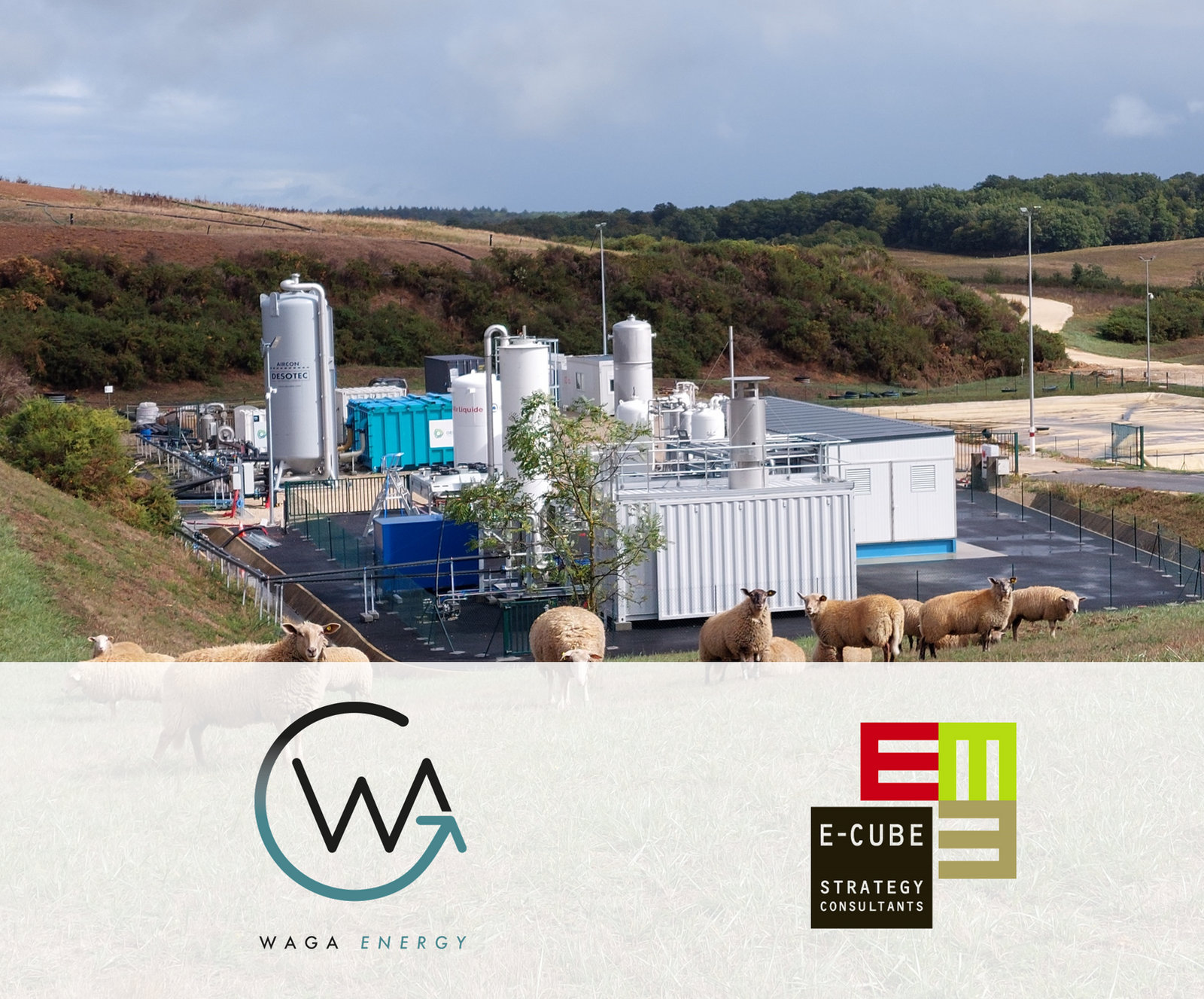
E-CUBE Strategy Consultants teams are proud to have supported Suez, Véolia and Waga Energy in carrying out a joint study on how to reduce the GHG emissions generated by non-hazardous waste storage facilities.
-
In addition to the European policy of reducing the volume of household waste sent to landfill sites to 10% by 2035, the widespread adoption of best practices in landfill gas capture would enable the emission factor of future landfill waste to be halved.
-
The introduction of injection systems coupled with high-performance capture systems would also contribute between 5% and 10% towards achieving Repower EU's European biomethane production targets of 340 TWh/year by 2030.
Communication from Waga Energy : https://waga-energy.com/en/ecube-study/