
2026: A Year to Harmonize the European Market Framework and Consolidate Biomethane’s Position
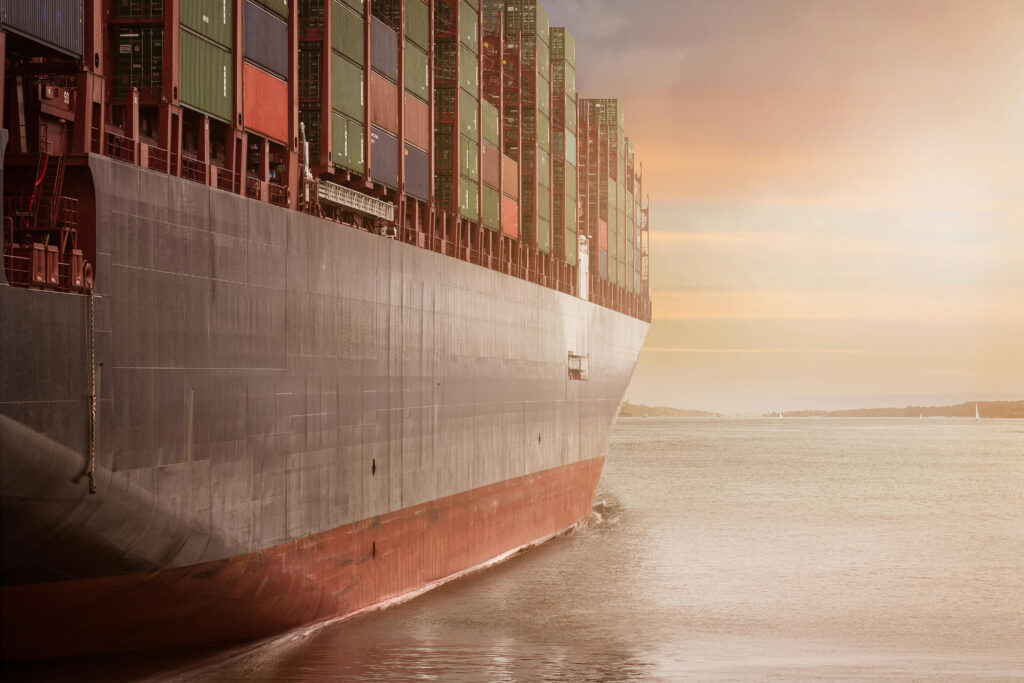
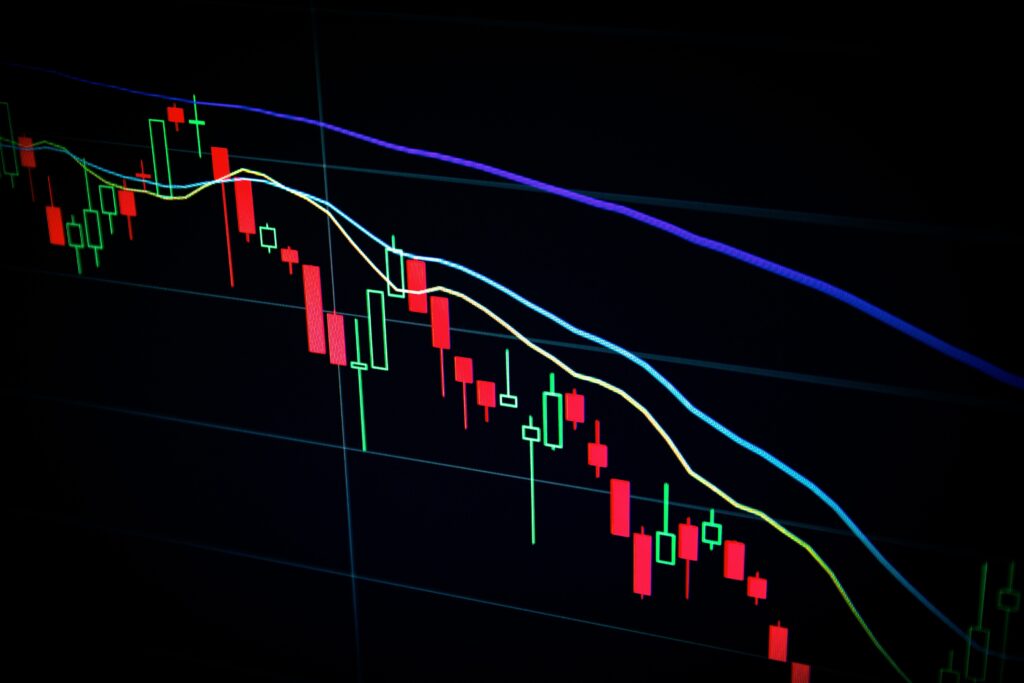
Over the past three years, biomethane has “finally” found its place in the energy transition—primarily in the road and maritime transport sectors, and intermittently in industry depending on natural gas price levels. The implementation of the first FuelEU Maritime measures has had a major impact, particularly by stimulating the signing of significant biomethane supply contracts (agreements signed by major bunkering companies—Gasum, Shell, Titan—with shipping companies such as Hapag-Lloyd and NYK). In terms of pricing, Danish and Dutch biomethane with a CI Score of “-100,” which traded at an average of €23/MWh at the start of 2025, reached around €70/MWh by year-end—a tripling of the price. This dynamic prevailed despite disappointment over the International Maritime Organization’s (IMO) failure to adopt the global “Net Zero Framework.” In road transport, Germany (THG quota certificates) and the UK (RTFO certificates) have been particularly active markets for biomethane. In France, 2025 also marked the first year of structuring the new Biomethane Production Certificate (CPB) market, with initial compliance obligations imposed on tertiary and residential gas suppliers starting this year.
We expect 2026 to be a year of clarifications and initial structural developments for the future of the sector, consolidating biomethane’s role as a pillar of Europe’s energy transition:
- Despite delays, the transposition of REDIII should continue to progress across European countries, providing clarity on future transport and building markets that will value biomethane: IRICC in France (implementation scheduled for January 1, 2027), the revised building mechanism (GEG) in Germany, and mechanisms under review in the Netherlands (GGE for buildings, ERE for transport), among others.
- It should also introduce greater harmonization of intra-European trading rules, reducing uncertainty for market players and improving transaction fluidity (clarification of Union Database rules and their interaction with national registries).
- On the M&A front, new landmark transactions could help investors and financiers adapt to the emerging dynamics of a biomethane market that now largely operates—at least for new volumes—outside long-term state-backed tariff mechanisms, and in new geographies such as Spain.
In particular, the methods for analyzing business plans in light of long-term value prospects for unsubsidized biomethane or for biomethane exiting public tariff schemes will need to rely on advanced analytical and forecasting capabilities, capturing supply-demand balances at a European scale, differentiated by country, market, and production type (CI Scores, feedstocks).
E-CUBE has developed strong expertise on the topic of Biomethane through its recent projects and the experience of its consultants. We would be delighted to discuss these market perspectives and opportunities with you. Please feel free to contact the experts below to schedule a conversation on the topic.