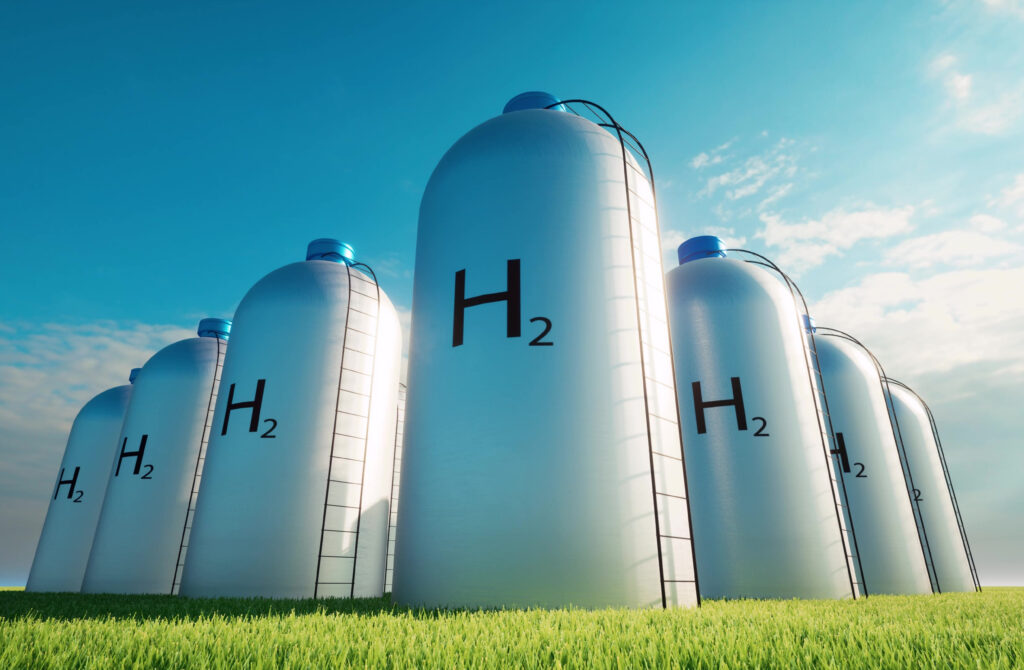
The year 2025 was a highly contrasting one for the hydrogen sector.
Globally, the industry continued to make progress, particularly in Asia (China, South Korea) and through major production projects in the Middle East. According to the IEA, investments in the sector rose by 70% compared to 2024, with electrolyzer orders tripling.
In Europe, however, the sector faced a significant slowdown and several setbacks:
- Bankruptcies among companies in mobility and equipment manufacturing
- Delays or postponements of major infrastructure projects
- Relative failure of the first auction by the European Hydrogen Bank (with several winners abandoning their projects)
While current budgetary constraints in many European countries do not favor a strong revival in the hydrogen sector, several factors nonetheless allow for greater optimism in the coming years regarding the emergence of hydrogen for key industrial applications.
In France, the government published at the end of December the specifications for the first tender aimed at supporting low-carbon hydrogen production, with 15-year support indexed to production volumes. Bids are expected by the end of February 2026. This launch is an important milestone that should help secure large-scale projects and accelerate the competitiveness of low-carbon hydrogen for industry (excluding refining).
The year 2026 is expected to see the commissioning of Europe’s largest production plant in Normandy (Normand’Hy project led by Air Liquide), marking the shift to industrial scale production despite the current slowdown.
From a regulatory perspective, several developments have occurred in recent months, notably:
- The EU definition of low-carbon hydrogen, paving the way for potential support for hydrogen production from nuclear electricity and also blue hydrogen; and
- The implementation of CBAM and the European Commission’s proposals on the Automotive Package, aimed in particular at stimulating European demand for low-carbon steel in the automotive industry (as compensation for abandoning the ban on combustion engine sales).
The European Commission is also expected to propose a revision of its hydrogen strategy, which could ease renewable hydrogen certification rules and thus reduce production costs in the short term. The transposition of the RED III directive through fuel certificate mechanisms valuing hydrogen used in refineries should continue to support demand in this sector (minimum RFNBO quota). More broadly, Germany’s stimulus plan could drive investments in this sector, pulling the European industry forward overall.
Finally, to meet the 2030 deadline, some e-fuel projects could reach FID within the next 18 months, driven by the aviation sector, which until now has generally taken a rather “wait-and-see” approach to SAF (and particularly RFNBO) contracting.
In 2026, we will pay particular attention to the following:
- Developments and discussions around the regulatory framework impacting hydrogen at the European level, notably the revision of the EU hydrogen strategy
- The follow-up to the Commission’s Automotive Package proposals and their potential medium-term impact on demand for low-carbon steel
- The results of the first French low-carbon hydrogen tender and their implications (support price, project typology, implementation timeline)
- Market dynamics specific to SAF and RFNBO
- The evolution of momentum outside Europe, particularly in Asia
E-CUBE has developed strong expertise on the topic of Hydrogen and e-fuels through its recent projects and the experience of its consultants. We would be delighted to discuss these market perspectives and opportunities with you. Please feel free to contact the experts below to schedule a conversation on the topic.