The year 2026 is expected to mark the continuation of the profound structural transformation underway in the waste sector, driven by decarbonization and environmental footprint reduction challenges, as well as by economic and energy sovereignty issues that are gaining significant momentum.
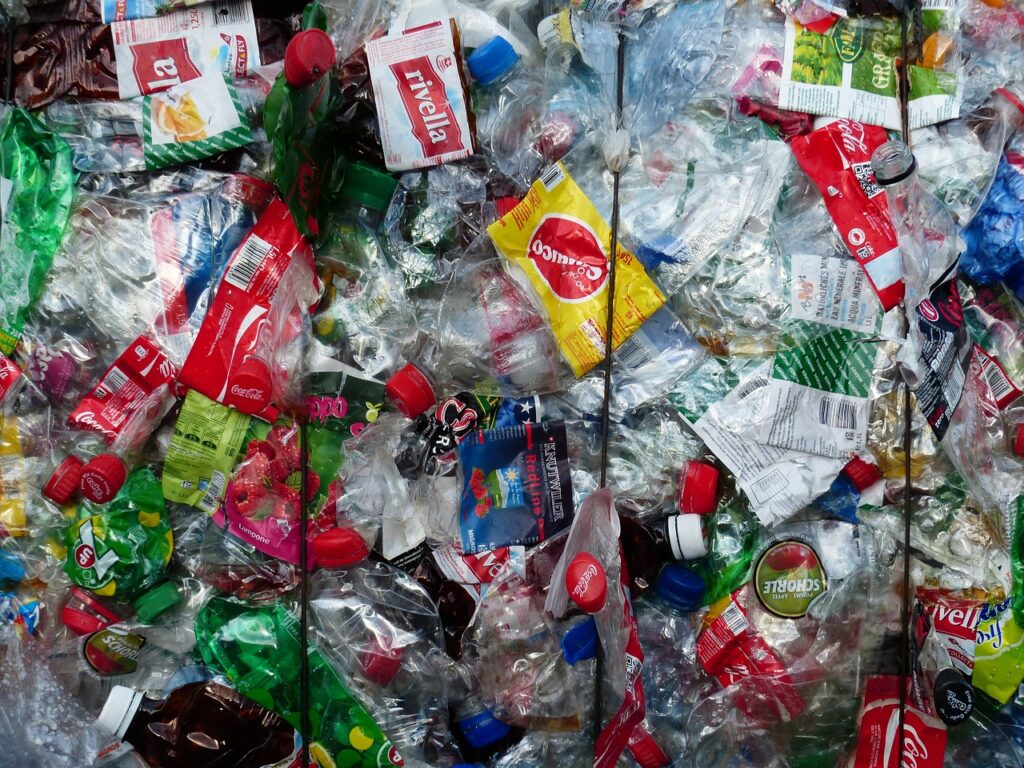
This €250 billion market is highly heterogeneous in terms of competitive landscape (ranging from major players such as Veolia or Remondis to a multitude of small local businesses), and its sub-segments are divided along the value chain (collection, sorting and conditioning, treatment, etc.) and by waste types (municipal, industrial, construction, plastics, textiles, packaging, organic, hazardous and non-hazardous, etc.), each with sometimes very different dynamics.
Among the key trends expected in 2026, we note in particular:
- Continued investment activity by funds and consolidation dynamics in response to the growing sophistication and strategic nature of this sector:
- The waste sector has already been an investment domain for major funds for several years, e.g.: acquisition of Urbaser Group and its French subsidiary Urbaser Environnement by U.S. fund Platinum Equity (2021), majority stake in Sepur Group by Cube Infrastructure Managers in 2022, acquisition of B+T by Igneo Infrastructure Partners in early 2025, €30 million fundraising by Guyot Energies from Epopée Gestion in December, etc. This trend is supported by solid prospects for this strategic market and massive investment needs for modernization and adaptation to new challenges (increased sorting, recycling, and recovery of waste, leading to performance gains across the value chain) and is expected to continue.
- Consolidation among companies of all sizes, driven by territorial coverage strategies and strengthening in certain specialty segments (e.g., recycling of specific metals, treatment of organic waste, hazardous waste management). For example, in 2025, Séché Environnement acquired Groupe Flamme, and Remondis acquired Groupe Schroll.
- Ongoing innovation around new sectors and technologies, such as chemical recycling of packaging or textile plastics, although industrialization of these sectors remains contingent on their ability to attract investors and financiers. This requires commitments from private players (volume commitments) and necessarily a supportive public framework, such as the deployment and clarification of Extended Producer Responsibility mechanisms in the textile sector across European countries.
- On the regulatory side, several EU-level developments are expected to shape the technical and economic challenges for industry players:
- The decision on whether to include Energy Recovery Units within the EU-ETS market;
- The pace and national choices in the transposition of RED III, which will impose new certification and traceability rules on waste players for the valorization of their materials in final energy markets.
E-CUBE has developed strong expertise on the topic of Waste and Recycling through its recent projects and the experience of its consultants. We would be delighted to discuss these market perspectives and opportunities with you. Please feel free to contact the experts below to schedule a conversation on the topic.